
Digital marketing is evolving faster than ever as artificial intelligence changes the way people search for information online. At Brooks Internet Marketing, we have seen a major shift from traditional search engine optimization toward a broader strategy that includes generative engine optimization, AI visibility, and optimization for AI systems. Businesses can no longer rely only on rankings, clicks, and backlinks. Modern search success now depends on how well search engines, language models, and AI tools understand, organize, and present content to their target audience, regardless of location.
The difference between SEO and GEO is significant because search behavior continues to change across Google, Bing, ChatGPT, Gemini, Perplexity, and other AI search platforms. Traditional SEO focuses on ranking, traffic, visibility, and conversions from search engines. GEO focuses on helping AI engines and language models discover trustworthy information, generate accurate answers, and include brands in AI citations, summaries, overviews, and responses. This approach allows a business to outpace the competition and establish a strong global footprint.
At Brooks Internet Marketing, we help businesses build strategies that improve visibility across both traditional search engines and AI-driven platforms. Understanding GEO and SEO is now essential for marketers, brands, teams, and businesses that want long-term growth, a powerful digital presence, stronger discoverability, and measurable revenue outcomes.
SEO Builds Visibility Through Search Rankings
Search engine optimization remains one of the most important digital marketing foundations for businesses. SEO helps websites improve rankings in search results by optimizing content, keywords, technical performance, site structure, and user experience. By focusing on these elements, a company can better address the millions of daily searches performed by potential customers who are exploring their options online.
In this section, we look at how search engines like Google and Bing use algorithms to analyze websites, pages, backlinks, engagement signals, relevance, authority, and search intent. Their goal is to deliver the most accurate and useful information for users, highlight the key differences between various web pages, and ultimately determine which brands stand out ahead of their competitors.
At Brooks Internet Marketing, our SEO strategy includes several critical components:
- Keyword research and search query analysis
- Content optimization and semantic relevance
- Technical SEO and site speed improvements
- Backlinks and authority development
- Schema markup and structured data
- User experience and mobile optimization
- Internal links and navigation structure
- Local SEO and geographic targeting
- Analytics and conversion tracking
SEO continues to matter because search engines still drive enormous traffic volume across industries. People use search daily to find products, services, businesses, solutions, reviews, videos, blogs, and research.
Strong SEO foundations improve visibility, rankings, engagement, conversions, leads, and ROI over time. Businesses that optimize properly gain more discoverability in competitive search results while strengthening their brand authority.
GEO Expands Optimization For AI Search And Language Models
Generative engine optimization represents the next phase of digital discoverability in a rapidly changing world. Understanding generative engine optimization (GEO) is crucial because it focuses on optimizing content for AI systems, AI search platforms, large language models, and conversational engines. On one hand, traditional SEO lays the foundation for visibility, but putting GEO into practice means structuring data so that an algorithm can easily make sense of your brand’s unique value.
Instead of only improving rankings and clicks, GEO helps businesses appear inside AI answers, summaries, overviews, and citations. Platforms like ChatGPT, Gemini, Bing AI, and Perplexity generate direct responses using information gathered from websites, articles, forums, studies, and trusted sources. When an AI search engine looks for things like a specific brand name, it analyzes recurring words and phrases across the web to identify a pattern of authority. If your business is missing from these models, it is essentially losing visibility to others that have adapted to this new technology.
At Brooks Internet Marketing, we approach GEO as a strategic layer that enhances modern search visibility. AI search changes how users interact with information because people increasingly expect instant answers instead of long lists of links, a shift that requires companies to deliver something truly valuable and authoritative to maintain their edge.
Generative engine optimization includes:
- Structuring content for AI readability
- Creating concise and accurate answers
- Improving topical authority and context
- Strengthening factual clarity and trust
- Implementing schema markup
- Optimizing for conversational prompts
- Building citations and mentions
- Publishing expert insights and research
- Enhancing discoverability across AI engines
AI systems rely heavily on relationships, structured data, patterns, and semantic understanding. Content that demonstrates expertise, trust, and clarity has a greater chance of appearing in AI generated responses.
SEO And GEO Work Together In Modern Marketing
One common misunderstanding is the belief that GEO replaces SEO. In reality, both strategies support one another, and finding the right place for each within your marketing mix requires careful consideration.
At Brooks Internet Marketing, we view GEO as an extension of traditional search engine optimization. SEO creates the technical and authority foundations that help websites perform well in search engines, tracking traditional metrics like traffic and keyword positions. GEO improves how a large language model will interpret, summarize, and reference information. When you publish a post, an AI system evaluates every piece of text on that page to grasp its context.
Strong SEO contributes to GEO success because AI engines often rely on trusted sites with strong authority signals, a high-quality link profile, and consistent performance. Meanwhile, GEO enhances visibility inside AI overviews, AI answers, and conversational search experiences. Instead of viewing these tactics as competitors, treating GEO as a complementary tool will have a significant impact on your overall digital footprint. While some businesses might still rely on a static list of keywords, forward-thinking brands are formatting their data with elements like a structured table and clear schema markup to make it easier for AI platforms to extract a lot of highly accurate data.
Businesses that combine SEO and GEO gain advantages across multiple channels:
- Better rankings in search engines
- Greater AI visibility
- More brand mentions and citations
- Increased traffic opportunities
- Higher trust and authority
- Improved engagement and conversions
For example, a well optimized article can rank highly in Google search results while also appearing in Perplexity summaries or ChatGPT responses. This dual visibility creates more opportunities for discoverability and customer acquisition.
AI Search Changes User Behavior Across Platforms
AI search has fundamentally changed how users interact with information online. Instead of browsing multiple websites, people increasingly rely on summaries, overviews, and direct answers generated by AI systems. Implementing updated digital best practices is no longer optional if a brand wants to stay visible in this new landscape.
Platforms powered by language models provide fast responses that combine information from multiple sources, mapping out logical connections between different entities across the web. This shift reduces dependency on traditional clicks while increasing the importance of trust, authority, and factual accuracy. The simple fact is that if an AI system cannot verify everything your website claims, it will likely omit your business from its generated responses.
At Brooks Internet Marketing, we monitor how AI overviews influence search behavior and customer engagement. Businesses now need optimization strategies that support both traditional rankings and AI-generated visibility.
AI engines prioritize content with:
- Clear structure and headings
- Accurate facts and reliable sources
- Strong contextual relevance
- Helpful summaries and concise explanations
- Expertise and authority signals
- Positive user experience
- Semantic relationships between topics
Someone searching for marketing solutions may now receive a complete AI-generated summary before ever visiting a website. Businesses that fail to adapt risk losing attention, discoverability, and traffic.
Content Structure Improves Search And AI Understanding
Content structure is essential for both SEO and GEO. Search engines and AI systems rely on headings, paragraphs, schema, formatting, metadata, and organization to understand content.
Poorly structured pages create confusion for algorithms and language models. Well-organized content improves readability, relevance, and discoverability.
At Brooks Internet Marketing, we create content strategies focused on clarity, structure, and semantic optimization.
Effective content structure includes:
- Clear headings and subheadings
- Concise paragraphs
- Organized lists and tables
- FAQ sections
- Internal links and topic relationships
- Contextual keywords and descriptions
- Schema markup implementation
- Logical page hierarchy
AI systems process natural language differently than traditional search engines. Modern optimization requires content that answers user questions naturally while maintaining strong technical foundations.
This approach improves visibility across AI search, voice search, traditional search engines, and conversational platforms.
Authority Signals Influence Rankings And AI Citations
Authority remains one of the strongest signals in both SEO and GEO. Search engines evaluate websites based on backlinks, engagement, expertise, trust, and content quality. AI systems also rely on trusted sources and consistent factual signals.
At Brooks Internet Marketing, we help businesses strengthen authority through:
- High quality content creation
- Research-driven analysis
- Digital PR and backlinks
- Thought leadership articles
- Industry relationships
- Accurate data and studies
- Consistent brand mentions
- Expert insights and summaries
AI engines often prioritize information from authoritative websites because reliable sources improve response quality.
When multiple trusted sites support the same facts, language models recognize those patterns as credible. This reinforces the importance of strong SEO foundations in the AI search era.
Businesses that consistently publish accurate, relevant, and well-structured content improve their opportunities for AI citations and search visibility.
Schema Markup Supports AI Systems And Search Engines
Schema markup has become increasingly important for modern optimization. Structured data helps search engines and AI systems better understand content, entities, products, services, FAQs, reviews, and relationships.
At Brooks Internet Marketing, we implement schema markup to improve clarity, context, and discoverability.
Common schema types include:
- Organization schema
- Article schema
- FAQ schema
- Product schema
- Video schema
- Review schema
- Local business schema
- Breadcrumb schema
Structured data improves search visibility while helping AI systems interpret information accurately. Schema also supports rich search results and AI overviews.
As AI search evolves, schema markup will continue to play a larger role in optimization strategies.
User Intent Drives Modern Optimization Strategies
User intent remains central to successful SEO and GEO strategies. Search engines and AI systems both prioritize content that satisfies the needs of users.
At Brooks Internet Marketing, we focus heavily on understanding intent because modern search queries are increasingly conversational and specific.
Users may search for:
- Informational answers
- Product comparisons
- Industry research
- Local businesses
- Reviews and recommendations
- Technical solutions
- Marketing insights
AI systems analyze context, meaning, and relationships within search queries. Businesses that create content aligned with genuine users need to improve both rankings and AI visibility.
Intent-driven optimization also improves engagement, conversions, and customer trust.
Technical SEO Strengthens AI Discoverability
Technical SEO remains critical in the age of AI search. AI systems still rely on accessible, well-performing websites for indexing and understanding.
At Brooks Internet Marketing, our technical optimization process includes:
- Improving site speed and performance
- Enhancing mobile usability
- Fixing crawl issues
- Optimizing page structure
- Strengthening internal links
- Improving metadata and tags
- Securing websites with HTTPS
- Reducing duplicate content issues
Fast, organized, and technically sound websites provide a better user experience while supporting search engine crawling and AI interpretation.
Technical issues can limit discoverability even when content quality is strong.
AI Overviews Reduce Traditional Click Patterns
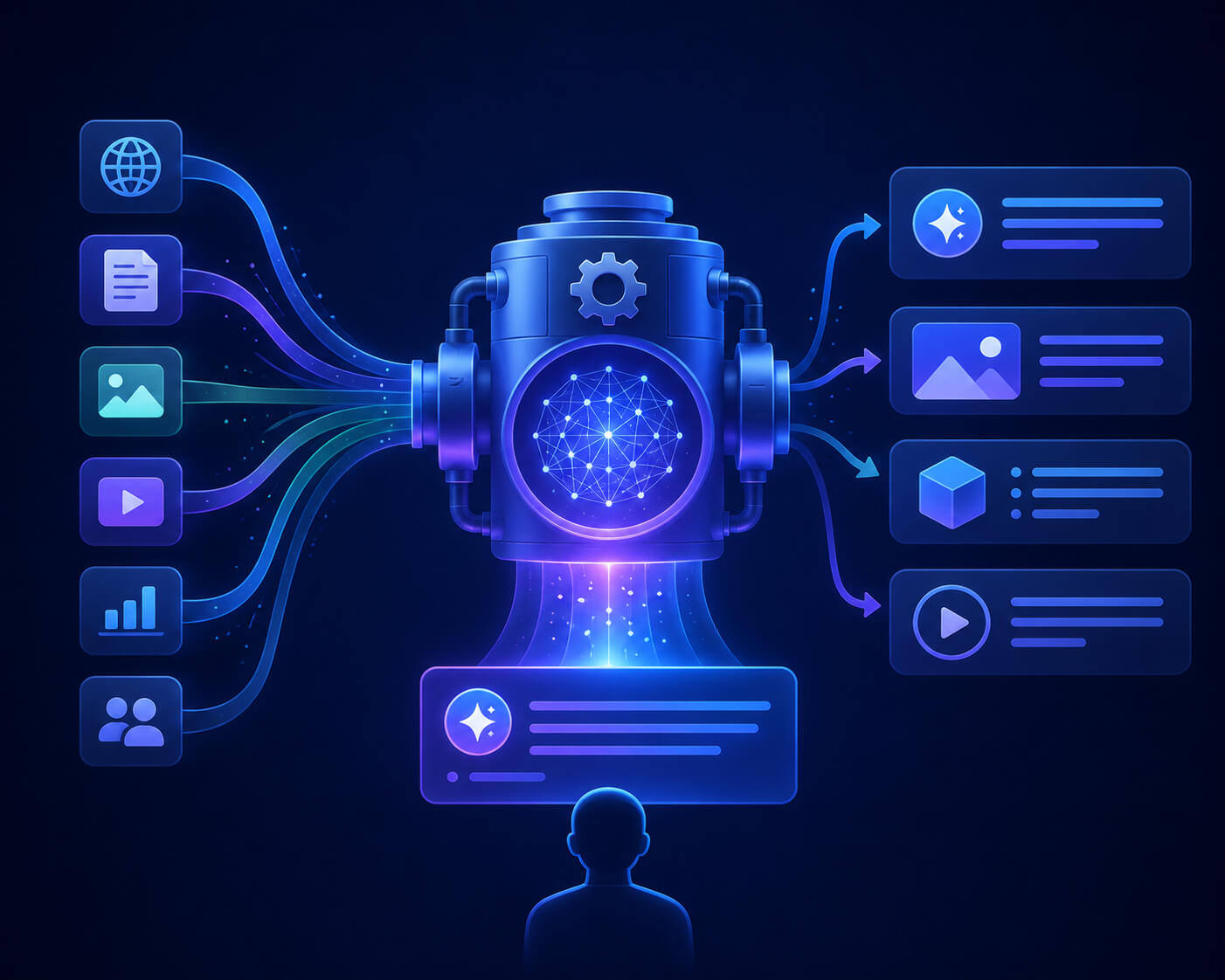
Modern digital visibility now requires optimizing content for conversational AI models, a specialized service provided by Brooks Internet Marketing to clients across Orange County California.
One major shift in modern search involves the rise of AI overviews and direct answers. Search engines increasingly display summaries at the top of search results.
This change affects traffic patterns because users may receive answers without clicking through to websites.
At Brooks Internet Marketing, we help businesses adapt by optimizing for both clicks and answer visibility.
Success now depends on appearing in:
- Traditional organic rankings
- AI generated summaries
- Featured snippets
- Conversational responses
- AI citations and mentions
Businesses that optimize for multiple search experiences gain stronger visibility and broader audience reach.
GEO Improves Brand Visibility Across AI Platforms
Generative engine optimization also strengthens brand awareness across emerging AI channels.
AI platforms increasingly shape customer decisions by recommending businesses, products, services, and solutions directly inside conversations.
At Brooks Internet Marketing, we help businesses position their brand as a trusted source for AI systems.
This includes:
- Publishing authoritative content
- Maintaining factual consistency
- Building industry expertise
- Improving semantic relevance
- Creating structured information
- Strengthening digital authority
AI visibility is becoming a competitive advantage because users trust platforms that deliver concise and accurate recommendations.
Businesses mentioned consistently across trusted sources improve their opportunities for AI inclusion.
Analytics And Performance Tracking Support Better Outcomes
Modern optimization requires strong analytics and performance measurement.
At Brooks Internet Marketing, we track:
- Search rankings
- Organic traffic
- User engagement
- Conversion rates
- AI visibility
- Citation mentions
- Click-through rates
- Audience behavior
- Search query trends
Analytics help businesses understand how SEO and GEO strategies influence outcomes across different platforms and channels.
Data-driven insights also improve decision-making, optimization priorities, and long-term marketing success.
GEO And SEO Create Stronger Long-Term Marketing Foundations
Businesses that invest in both SEO and GEO build stronger digital foundations for the future.
Search engines, AI systems, and language models will continue evolving. Companies that adapt early gain advantages in discoverability, authority, and customer trust.
At Brooks Internet Marketing, we believe the most successful strategy combines traditional optimization fundamentals with modern AI-focused techniques.
This balanced approach improves:
- Search visibility
- AI citations
- Brand authority
- Customer engagement
- Traffic and conversions
- Revenue growth
- Long term discoverability
SEO remains essential because search engines still drive significant traffic. GEO matters because AI search increasingly shapes how people discover and evaluate information.
Together, these strategies create a comprehensive path for modern digital marketing success.
GEO And SEO Define The Future Of Digital Visibility
The future of search is no longer limited to rankings and links. AI engines, conversational platforms, and language models are changing how information is delivered to users across the web.
At Brooks Internet Marketing, we help businesses navigate this shift with strategies designed for both traditional search engines and AI driven platforms.
SEO focuses on rankings, clicks, traffic, and search engine optimization. GEO focuses on AI answers, citations, summaries, and generative engine optimization. Both matter because modern visibility depends on discoverability across every search experience.
Businesses that prioritize strong content, technical optimization, authority, user intent, structured data, and AI visibility will be better positioned for future growth.
The companies that succeed in this new era will be the ones that understand the relationship between SEO, GEO, AI systems, search engines, and evolving user behavior. By combining proven optimization fundamentals with modern AI strategies, businesses can improve rankings, strengthen authority, increase engagement, and drive lasting marketing results.
Frequently Asked Questions (FAQs)
1. How do AI crawlers differ from traditional Googlebots?
Traditional bots map URLs for indexing keyword matches. AI crawlers ingest entire paragraphs to map semantic relationships, analyze sentiment, and train LLM contextual knowledge bases.
2. Can you block AI crawlers without hurting your SEO rankings?
Yes. You can use robots.txt to disallow bots like GPTBot or PerplexityBot. This protects your data from LLM training sets while allowing standard Googlebots to crawl and rank your web pages.
3. What role does digital PR play in securing GEO citations?
AI models aggregate brand mentions across third-party media, forums, and news sites. High-authority digital PR creates a footprints pattern that LLMs recognize as consensus proof of your credibility.
4. How do you optimize text for voice-activated AI search assistants?
Structure content around conversational long-tail questions. Use natural phrasing, structure clear “who, what, why” H2 headings, and provide direct answers early in the copy.
5. Does updating old blog posts improve GEO discoverability?
Yes. AI tools prioritize factual accuracy. Updating statistics, replacing broken links, and adding structured tables to old posts signals relevance, prompting LLMs to cite your data.
6. What is NLU, and why does it matter for modern content creators?
Natural Language Understanding helps AI grasp intent, context, and nuance beyond literal keywords. Writing naturally with clear subject-object connections helps NLU engines map your text accurately.
7. How does local GEO strategy differ from standard Local SEO?
Local SEO relies on Map Packs and reviews. Local GEO requires your business information to be consistently mentioned across local blogs, directories, and news sites, forming a trusted entity cluster.
8. Will user-generated forum content impact your brand’s GEO visibility?
Highly. LLMs heavily mine Reddit and Quora for real-world user opinions. Unfiltered, positive forum discussions about your brand can trigger organic recommendations inside conversational AI answers.
9. How do you track GEO visibility without traditional CTR metrics?
Track brand share-of-voice inside LLM responses using specialized AI tracking tools, monitor referral traffic from platforms like Perplexity, and audit conversational brand mentions.
10. Does content length affect AI summary inclusion?
Density matters more than length. Long walls of text fail if they lack substance, but comprehensive, data-rich guides with tight formatting provide the perfect extraction material for LLMs.