
In the world of search engine optimization (SEO), understanding the difference between short-tail and long-tail keywords is essential for any business looking to drive traffic, improve rankings, and generate conversions. At Brooks Internet Marketing, we consistently leverage a comprehensive keyword strategy that uses the best tools and proven methods to identify growth opportunities. By analyzing search queries, search volumes, and competition, we ensure our clients’ content aligns with what people are actually looking for. This approach allows us to create relevant, high-value content for each topic, increasing the likelihood of attracting qualified visitors and boosting overall site performance.
A key part of our strategy is using a reliable keyword research tool to compile a detailed list of target keywords. We evaluate the top-performing keywords in each niche and determine the most effective way to incorporate them into content, product pages, and service descriptions. By understanding the intent behind each search query, we help businesses optimize their websites for both traffic and conversions. This method not only improves search engine rankings but also helps our clients connect with the right audience, turning casual visitors into loyal customers.
Short-Tail Keywords Generate Broad Traffic
Short-tail keywords, often referred to as head terms, consist of one or two words and target a broad audience. Examples include “SEO,” “marketing,“ or “product.“ These keywords typically have very high search volumes, meaning a large number of users type them into search engines each month. While the potential traffic from these searches is significant, competition for ranking on the first page of Google is also intense.
Our team uses these keywords to attract visibility for highly competitive topics, establish domain authority, and increase overall brand awareness. Although short-tail keywords attract many visitors, they may not always translate into immediate conversions, as search intent is often broad. For example, someone searching for “shoes“ could be looking for product information, reviews, or even a local store, making it harder to capture qualified leads without a tailored approach.
Long-Tail Keywords Drive Targeted Conversions
Long-tail keywords are more specific phrases, often containing three or more words, that address particular user needs or questions. Examples include “best running shoes for flat feet“ or “affordable SEO tools for small businesses.“ While these keywords have lower search volumes than short-tail terms, they typically attract users with high purchase intent, resulting in higher conversion rates.
We integrate long-tail keywords into product pages, blog articles, and content marketing strategies to connect with customers actively searching for the services and products our clients offer. The reduced competition associated with long-tail phrases allows our sites to achieve better rankings on search engine results pages (SERPs), often faster than broader, high-volume keywords.
Keyword Research Is the Foundation of SEO
Effective keyword research is critical for any successful SEO strategy. Our team relies on tools such as Ahrefs, SEMrush, and Google Keyword Planner to identify keyword ideas, analyze search volumes, and assess competition. By evaluating both short-tail and long-tail keywords, we determine the best combination to maximize traffic, relevance, and conversions. In this process, we often compare many keyword options, consider why each might perform well, and identify which offers the best chance of ranking high on the SERP. This comparison helps us understand the differences between keywords, the level of competition, and what makes some keywords more valuable than others.
During keyword research, we focus on user intent, ensuring that the phrases we target align with what people are actually searching for. This attention to intent helps reduce bounce rate and improve user experience, as visitors find the information or products they need in the right section of a website. By anticipating the question users may have and providing the right content at the right time, we turn something as simple as a keyword list into a strategic tool that drives meaningful results for our clients’ sites.
Understanding Search Intent Guides Keyword Strategy
One key difference between short-tail and long-tail keywords is the search intent behind them. Short-tail keywords often serve informational purposes or represent early stages of the buyer journey. Long-tail keywords, however, typically indicate that a user is closer to making a decision or conversion.
By analyzing queries and search behavior, we craft content that addresses each stage of the customer journey. For instance, an article targeting the long-tail phrase “how to choose the best SEO tools for small business“ educates users while guiding them toward our service offerings. This strategic approach enhances the value of our content and improves the likelihood of sales and ROI.
Tools Enable Efficient Keyword Analysis
The right SEO tools allow us to perform keyword research efficiently and accurately. Tools like SEMrush, Ahrefs, and Google Keyword Planner provide data on search volume, keyword difficulty, CPC, and competitor performance, as well as additional functionalities to enhance our strategy. This information enables us to prioritize keywords that match user intent, balance high traffic potential with achievable ranking opportunities, and identify the best option for each page or topic. By keeping a close eye on metrics, we ensure that every keyword contributes to meaningful results and aligns with the client’s account goals.
For example, by analyzing search volumes and keyword difficulty, we can determine whether targeting a specific long-tail keyword is more effective than a highly competitive short-tail term. These insights also help us discover related phrases, tail keywords, and niche opportunities to expand content reach. We can evaluate which keywords appear at the bottom of search results versus the top of Google search results, ensuring our content targets the most valuable queries and drives qualified traffic to client sites.
Competitor Analysis Strengthens Keyword Strategy
Understanding the competition is a crucial part of keyword strategy. By evaluating the keywords competitors rank for, backlink profiles, and overall site authority, we identify gaps and opportunities for growth.
Our team uses this data to develop content that outperforms competitors by targeting both head terms and long-tail keywords that are relevant to our clients’ audiences. For example, if a competitor is ranking for a short-tail keyword like “SEO services“ but lacks detailed long-tail content such as “affordable SEO services for e-commerce businesses,“ we create content that meets that specific need, increasing the chances of outranking them in search results.
Balancing Search Volume and Keyword Difficulty
Keyword difficulty and search volume are two critical metrics that influence SEO strategy. High-volume, competitive keywords may offer massive traffic potential but require significant effort to rank for, often needing high-quality backlinks, strong domain authority, and extensive content optimization.
Long-tail keywords usually have lower search volumes and lower difficulty, making them ideal for targeting niche audiences. We balance our clients’ keyword portfolios by combining high-volume short-tail keywords with low-competition long-tail keywords to achieve steady growth in both traffic and conversions.
Content Development Enhances Keyword Performance
Content is the vehicle that brings keywords to life. Our content strategy focuses on creating articles, product descriptions, and blog posts that naturally incorporate both short-tail and long-tail keywords. This ensures that search engines recognize the relevance of our content while providing value to users.
For example, an article about “SEO strategy for local businesses“ may include short-tail keywords like “SEO“ and “marketing,“ while also integrating long-tail phrases such as “affordable SEO strategy for small retail shops.“ This dual approach improves rankings, drives targeted traffic, and enhances user experience.
Leveraging Keyword Tools for Insights
Keyword research tools provide more than just search volumes—they offer insights into trends, user behavior, and content gaps. Platforms like Ahrefs and SEMrush allow us to monitor competitors, discover new keyword ideas, and track the performance of existing content.
We use these insights to adjust our SEO strategy, optimize pages for higher rankings, and increase visibility across search engines. By continuously monitoring search terms, keyword performance, and click-through rates, we ensure that our clients remain competitive in their industries.
Keyword Strategy Impacts Conversions and ROI
A strong keyword strategy does more than improve rankings—it directly influences conversions, ROI, and overall business growth. Targeting the right long-tail keywords ensures that the visitors coming to a site are more likely to take desired actions, whether it’s signing up for a service, purchasing a product, or requesting more information.
Our team integrates keyword research with PPC campaigns, content marketing, and on-page SEO to maximize both organic and paid traffic. By aligning search intent with user experience, we improve conversion rates while reducing bounce rates and wasted ad spend.
Short-Tail Keywords Build Brand Awareness
While long-tail keywords are excellent for conversions, short-tail keywords are crucial for building brand awareness. These head terms help position a business in front of a large audience and establish authority within a market.
We often incorporate short-tail keywords into blog topics, service pages, and social media content to increase exposure, attract backlinks, and strengthen our clients’ overall SEO profile. This creates a foundation for long-tail targeting to drive more qualified traffic and conversions.
Long-Tail Keywords Target Niche Audiences
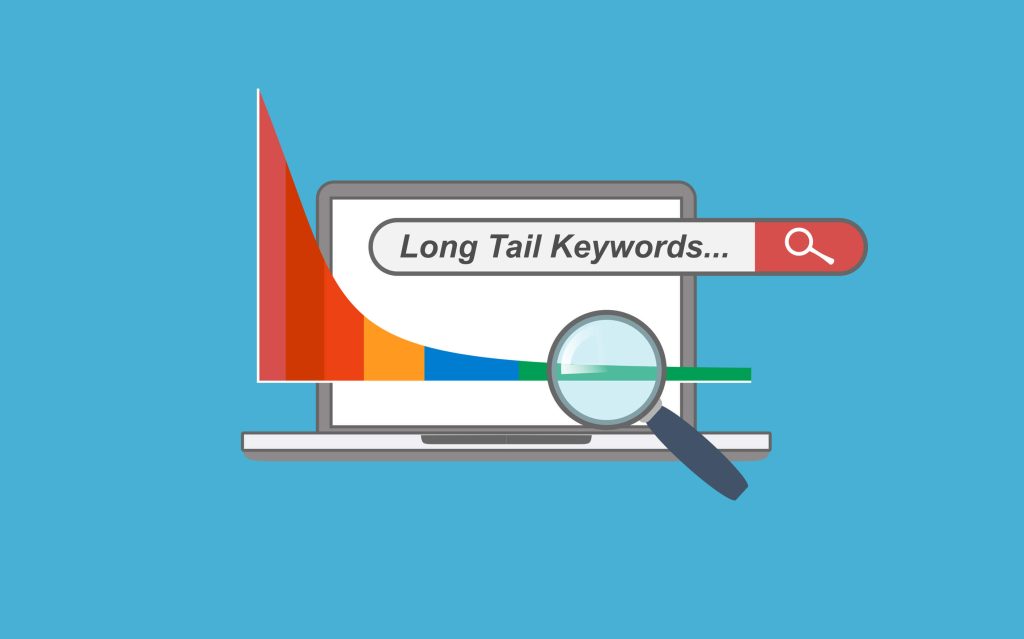
Learn from Brooks Internet Marketing in Orange County California how to use short tail and long tail keywords effectively to boost SEO rankings and drive targeted traffic
Long-tail keywords help us reach particular segments of an audience, ensuring content resonates with the right people. These keywords are particularly effective for niche businesses or products with unique features.
For instance, an e-commerce site selling eco-friendly office supplies can use long-tail phrases like “recycled paper notebooks for offices“ to attract users searching for sustainable options. This targeted approach increases the likelihood of sales and enhances the brand’s perceived value.
Keyword Placement Influences Rankings
Proper keyword placement is critical for on-page SEO. We strategically place keywords in titles, meta descriptions, headers, and throughout the body content to signal relevance to search engines.
Additionally, integrating keywords into image alt text, URL structures, and internal links further strengthens optimization. By combining short-tail and long-tail keywords with natural content flow, we improve rankings without compromising user experience.
Metrics and Analytics Guide Optimization
Tracking performance metrics is essential to understanding the effectiveness of a keyword strategy. We use analytics to monitor traffic, rankings, conversions, bounce rates, and engagement.
By analyzing these metrics, we identify which keywords drive the most valuable traffic and which content pieces need optimization. This data-driven approach allows us to continuously refine keyword targeting, enhance content relevance, and maximize ROI for our clients.
Combining SEO and PPC for Maximum Impact
Integrating SEO with PPC campaigns amplifies the impact of both strategies. We analyze keyword searches, CPC, and competition to identify opportunities where paid ads can complement organic rankings.
For example, short-tail keywords with high competition may be challenging to rank for organically, but running PPC ads can capture immediate traffic while supporting long-term SEO efforts. This synergy ensures that businesses reach their target audience across multiple channels.
The Role of Authority and Backlinks
Search engines prioritize authoritative websites with quality backlinks. By targeting relevant short-tail and long-tail keywords, we create content that earns links from other reputable sites.
These backlinks enhance domain authority, improve rankings, and increase visibility for both broad and niche topics. Over time, this combination of keyword targeting, high-quality content, and authority-building strengthens the overall SEO performance of client websites.
Tailoring Keywords to Business Goals
Every business has unique goals, whether it’s increasing sales, generating leads, or promoting products and services. Our team ensures that keyword research and strategy align with these objectives.
For example, a service-based business may prioritize long-tail keywords that capture users seeking specific solutions. In contrast, a product-based business might target a mix of head keywords and product-related long-tail phrases to drive traffic to multiple product pages.
Tracking Trends and Adjusting Strategy
Search trends and user behavior evolve constantly, making it crucial to monitor changes in keyword performance. Our team uses SEO tools to track trending searches, seasonal interest, and shifts in user intent.
By adjusting our keyword strategy to reflect these trends, we maintain relevance, attract consistent traffic, and stay ahead of competitors. This proactive approach ensures that our clients’ sites remain visible and effective over time.
Integrating Keywords into a Holistic SEO Strategy
Keywords are just one part of a broader SEO strategy that includes content, backlinks, site structure, technical optimization, and user experience. By combining short-tail and long-tail targeting with these elements, we create a comprehensive approach that maximizes traffic, relevance, and conversions.
Our integrated strategy ensures that every page, article, and product description contributes to higher rankings and a better user experience. This holistic approach reinforces authority, drives engagement, and supports long-term business growth.
Summary of Differences Between Short-Tail and Long-Tail Keywords
The difference between short-tail and long-tail keywords lies in their specificity, search volume, competition, and conversion potential. Short-tail keywords generate broad traffic and build brand awareness but face high competition and lower conversion rates. Long-tail keywords target specific user intent, drive higher conversions, and face lower competition, making them ideal for niche marketing.
By strategically combining both types in a well-researched SEO strategy, we deliver measurable results for businesses. From keyword research and competitor analysis to content development and analytics, our team ensures every keyword drives traffic, engagement, and business growth.
Final Thoughts on Keyword Strategy for Businesses
At Brooks Internet Marketing, we understand that keywords are more than just search terms—they are the foundation of online visibility, audience targeting, and conversion optimization. By leveraging a mix of short-tail and long-tail keywords, backed by data from SEO tools, keyword planners, and analytics platforms, we help businesses achieve sustainable growth.
Our approach prioritizes user intent, relevance, and quality, ensuring that content not only ranks well in search engines but also provides value to visitors. With a tailored keyword strategy, businesses can enhance SEO performance, attract qualified traffic, and maximize ROI in today’s competitive digital landscape.
FAQs: Short-Tail vs. Long-Tail Keywords
1. How do short-tail and long-tail keywords affect local SEO performance?
Short-tail keywords improve overall visibility but are often too broad for targeting specific locations. Long-tail keywords allow us to incorporate location-based terms, attracting users searching for services or products in a particular city or region, ultimately improving local SEO rankings and bringing highly qualified traffic.
2. Can short-tail and long-tail keywords be used together on the same page?
Yes, combining both keyword types is a strategic approach. Short-tail keywords help target broad topics to attract larger audiences, while long-tail keywords capture specific search intent, improving conversions. Using them together ensures that pages rank for both high-volume queries and niche searches, balancing traffic and relevance.
3. Which type of keyword is better for new websites: short-tail or long-tail?
Long-tail keywords are often better for new websites because they have lower competition and higher intent, allowing pages to rank more quickly. Short-tail keywords may take months or years to rank for due to high competition, whereas targeting long-tail terms helps generate qualified traffic and builds authority faster.
4. How does user intent influence whether we should target short-tail or long-tail keywords?
User intent determines the keyword type we prioritize. Short-tail keywords usually indicate informational intent, while long-tail keywords signal purchase or decision intent. Matching content to user intent ensures visitors find the correct information, improves engagement, reduces bounce rate, and increases the likelihood of conversions.
5. Do long-tail keywords provide better ROI than short-tail keywords?
Yes, long-tail keywords typically deliver better ROI because they attract highly qualified traffic. Users searching with long-tail phrases often have a clear intent to buy or convert, making them more likely to take action. Short-tail keywords generate lots of traffic but may have lower conversion rates due to broader intent and a less targeted audience.
6. How do we measure the effectiveness of short-tail vs. long-tail keywords?
Effectiveness can be measured using metrics such as organic traffic, click-through rates, bounce rate, keyword rankings, and conversions. By analyzing these metrics, we can determine which keywords drive qualified visitors, generate leads or sales, and contribute the most value to the overall SEO strategy.
7. Are there tools specifically designed to find long-tail keywords?
Yes, tools like Ahrefs, SEMrush, and Google Keyword Planner offer advanced functionalities to discover long-tail keywords. They provide data on search volume, keyword difficulty, user intent, and related queries, allowing us to identify specific phrases that attract qualified traffic and help optimize content for better search engine rankings.
8. Can focusing only on short-tail keywords harm our SEO strategy?
Focusing solely on short-tail keywords can limit conversions and reduce engagement. Broad terms may generate a lot of traffic, but users’ intent is often unclear, which increases the bounce rate. Including long-tail keywords ensures that content addresses specific needs, improves relevance, and drives higher-quality traffic that is more likely to convert.
9. How do short-tail and long-tail keywords influence content planning?
Short-tail keywords help define broad content themes, while long-tail keywords guide the creation of detailed sections, FAQs, and product pages. Combining both allows us to cover multiple search queries, satisfy different user intents, and structure content strategically for maximum SEO impact.
10. What is the best way to track changes in search volume for both keyword types?
The best way to track keyword performance is by using analytics and keyword research tools. By monitoring search volume trends, user behavior, SERP position changes, and click-through rates, we can adjust strategies, prioritize high-performing terms, and ensure content remains optimized to attract both broad and niche audiences over time.