
A sudden drop in Google rankings is a significant setback for any business. Losing traffic, visibility, and clicks directly impacts your site performance, user engagement, and ultimately, your revenue. Every lost position in the search engine results pages (SERPs) reduces the chances of users discovering your pages, giving your competitors an advantage.
For Brooks Internet Marketing, helping businesses identify the reason behind ranking declines and implement a structured recovery strategy is essential. By understanding the factors that influence search rankings, analyzing site data, and taking systematic action, you can restore your Google search positions and even improve them over time. This guide provides step-by-step insights on diagnosing and recovering from dramatic ranking drops.
The Critical Importance of Fast Recovery
The consequences of a ranking drop are immediate:
- Loss of Traffic – Reduced clicks and fewer people landing on your websites can hurt your visibility and overall engagement.
- Revenue Decline – Less organic traffic often translates into lower sales, highlighting one of the main reasons for concern.
- Competitive Disadvantage – Competitors can take over your top positions, showing that something must be done to protect your rankings.
- Long-Term SEO Impact – Ignoring the drop may exacerbate issues, such as penalties or index problems, making recovery more challenging.
A fast recovery requires a data-driven approach, which involves analyzing performance metrics, diagnosing issues, understanding the reasons behind the drop, gathering accurate information, and implementing corrective steps. Exploring different ways to improve your site, making necessary changes, and reviewing example strategies can help restore your rankings effectively.
Understanding Google Rankings
Google’s ranking algorithms determine how pages appear in search results. These algorithms consider hundreds of factors, including content, backlinks, site structure, and user experience, to deliver the most relevant results for any query. Understanding the issue behind ranking drops, monitoring for algorithm updates, and using the right tool to analyze queries at different times can reveal the causes of declines. Considering all aspects that impact your site, including content quality, links, and technical elements, is crucial to maintaining a strong position. Knowing the right place to make a change gives you the best chance to recover lost rankings.
Core Ranking Factors
- Content Quality – High-quality, relevant content that satisfies user intent is crucial. Thin, outdated, or duplicate content can trigger a drop in rankings.
- Backlinks – Links from authoritative sites strengthen your site’s authority. Losing these links can harm positions.
- Technical SEO – Crawl errors, redirects, URL structure, and indexing issues affect Google’s ability to read your site.
- User Experience – Metrics like page speed, mobile usability, and engagement influence rankings. Poor UX can cause drops.
- Keyword Optimization – The proper use of keywords in content, meta tags, headings, and URLs ensures that search engines understand your pages.
- Competition – Competitors’ actions, such as content improvements and link acquisition, can impact your search positions.
The Role of Algorithm Updates
Google frequently rolls out an algorithm update, and Google’s algorithm updates affect your website’s performance, which can significantly influence search rankings. Not every ranking drop is due to errors on your site; in some instances, an algorithm update is the cause. In such a case, your site may drop to lower positions due to changes in ranking, including content updates or shifts in how Google evaluates pages, rather than a penalty.
Types of Updates
- Core Updates – Broad changes that affect overall ranking factors, often causing significant volatility.
- Link Updates – Target manipulative or low-quality backlinks.
- Content Quality Updates – Reward high E-A-T content and penalize low-quality pages.
- User Experience Updates – Prioritize page speed, mobile-friendliness, and engagement metrics.
- Local Search Updates – Affect location-specific search rankings.
Tools like SEMrush and Ahrefs help track these updates and identify correlations between algorithm changes and your ranking drop.
Using Google Search Console to Analyze Drops
Google Search Console (GSC) is essential for diagnosing ranking issues:
- Search Performance – Track clicks, impressions, and positions for keywords and pages.
- Coverage Reports – Identify crawl errors, indexing problems, and robots.txt blocks.
- Links – Monitor internal links and backlinks.
- Core Web Vitals – Assess loading performance, interactivity, and visual stability.
Regular monitoring enables data-driven decisions to address issues promptly and effectively.
Diagnosing the Ranking Drop
To recover fast, start by diagnosing the problem. Ranking drops can be sudden or gradual, affecting specific pages, keywords, or your entire site.
Identifying Patterns
- Sudden Drop Across Multiple Pages – Often linked to Google updates, penalties, or technical errors.
- Drop in Specific Pages or Keywords – May indicate content quality or backlink issues.
- Local Search Decline – Could result from location-specific changes or GMB updates.
- Intermittent Drops – Often tied to crawl errors, server issues, or performance problems.
Analyzing these patterns is crucial for determining the cause and selecting the appropriate recovery actions.
Conducting a Comprehensive SEO Audit
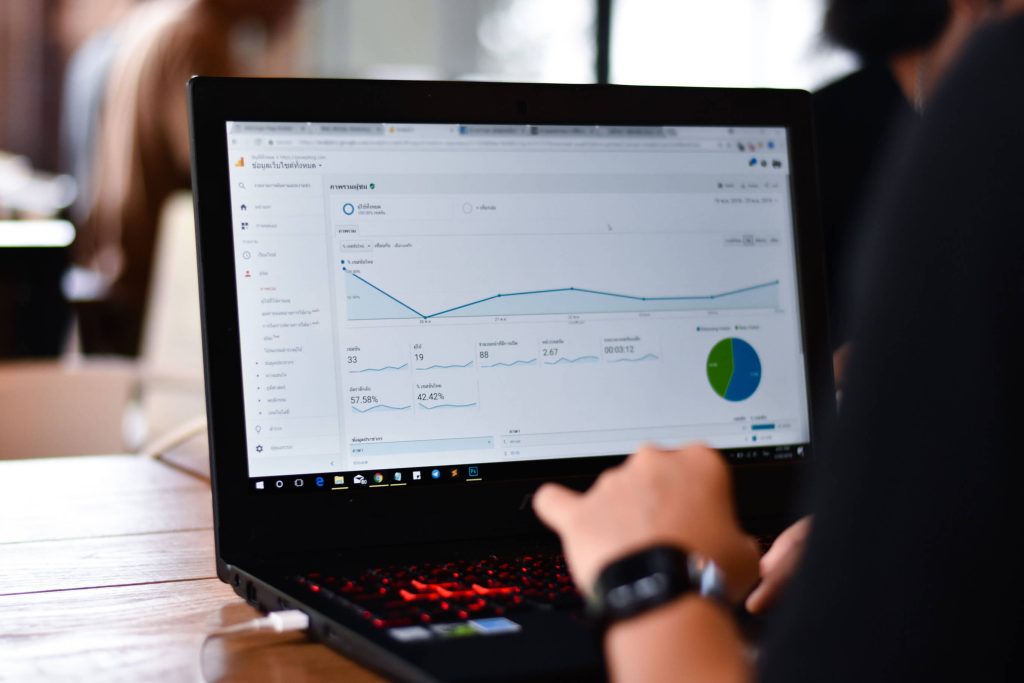
Businesses in Orange County California rely on Brooks Internet Marketing to recover lost Google rankings and increase online presence.
A complete SEO audit by Brooks Internet Marketing is necessary to uncover the issues affecting your site. Focus on technical, content, and backlink aspects to create a holistic recovery plan.
Technical SEO Audit
- Crawlability and Indexing – Ensure Google can crawl your pages, verify the robots.txt file, and resolve any broken URLs.
- Site Structure – Maintain a clear hierarchy for pages to improve user navigation and search engine understanding.
- Redirects and Errors – Correct 301 redirects, remove 404 errors, and address any server issues.
- Performance – Optimize page speed, mobile usability, and Core Web Vitals.
Content Audit
- Content Quality – Update outdated articles, remove thin or duplicate content, and ensure accuracy as part of a broader content marketing strategy.
- Keyword Optimization – Ensure keywords are integrated naturally in titles, headings, and body text to support your content marketing goals.
- Engagement Signals – Enhance user experience to reduce bounce rates and increase click-throughs, thereby improving the effectiveness of your content marketing efforts.
- Content Gaps – Identify topics competitors cover that your site lacks and fill these gaps through targeted content marketing initiatives.
Backlink Audit
- Profile Analysis – Use Ahrefs or SEMrush to assess the quality and quantity of backlinks.
- Disavow Toxic Links – Remove harmful links that may trigger penalties.
- Acquire High-Quality Links – Target authoritative sites for natural backlink growth.
Prioritizing Action Steps
Once your audit identifies issues, prioritize based on impact and effort:
- Technical Fixes – Resolve crawl errors, indexing issues, and site performance problems first, using SEO tools and other resources to identify each instance of a problem.
- Content Improvements – Refresh existing articles and blog posts, optimize for keywords, and expand high-value content based on reliable sources and best practices.
- Backlink Strategy – Remove toxic links and implement a proactive link-building campaign, keeping an eye on new opportunities to strengthen authority.
- UX Enhancements – Improve navigation, page speed, and engagement metrics to align with Google’s expectations, ensuring each article and blog post provides value to people.
- Monitoring and Reporting – Use GSC, analytics, SEMrush, Ahrefs, and other SEO tools to track recovery progress, evaluate resources, and document every instance of change or improvement.
Monitoring Recovery and Competitor Trends
After implementing corrective measures:
- Track keyword rankings and SERP positions regularly.
- Compare competitor performance to identify new opportunities for growth.
- Analyze traffic and engagement metrics to ensure your recovery steps are practical.
- Adjust strategies as needed based on data insights and algorithm trends.
Conclusion
Recovering from a dramatic Google ranking drop requires a structured approach that combines:
- Understanding ranking factors and algorithm updates
- Diagnosing ranking patterns using data-driven insights
- Performing a thorough SEO audit covering technical, content, and backlinks
- Implementing targeted improvements in priority order
- Continuously monitoring performance and competitor trends.
By following these steps, Brooks Internet Marketing helps businesses regain lost traffic, visibility, and search positions effectively, while building a stronger foundation for long-term SEO success.
Frequently Asked Questions
1. Can a Google ranking drop affect new and old pages differently?
Yes, older pages with established backlinks may recover faster, while newer pages without authority can take longer. Monitoring both types is key to recovery.
2. How long does it typically take to recover after a ranking drop?
Recovery depends on the cause, severity, and speed of implementing SEO fixes. Some instances can see improvements in weeks, while others take months.
3. Do manual penalties always cause a visible traffic decline?
Not always. Some penalties may affect only specific keywords or pages, so analyzing Google Search Console data is essential to identify the affected areas.
4. Can content changes backfire and cause further ranking drops?
Yes, improper content changes or keyword stuffing can worsen rankings. Utilizing SEO tools and monitoring the impact of updates helps ensure a smooth recovery without adverse side effects.
5. How can structured data or schema help during a recovery?
Implementing schema markup helps Google understand your content better, improving visibility and enhancing click-through rates in SERPs.
6. Is it possible to recover without fixing technical SEO issues?
While improving content and backlinks helps, unresolved technical issues, such as crawl errors, broken links, or slow page speed, can block recovery. Addressing everything is necessary.
7. How do competitor actions influence your recovery strategy?
If competitors update content, acquire backlinks, or improve UX, your ranking drop may worsen. Analyzing competitor resources, strategies, and content gaps is crucial.
8. Can Google indexing delays affect recovery times?
Yes, if pages are not properly indexed, recovery may be delayed even after the fixes are implemented. Submitting sitemaps and monitoring coverage reports can speed up indexing.
9. How do algorithm updates interact with penalties and ranking drops?
An algorithm update can trigger ranking changes even without a penalty. Understanding the causes and using tools to analyze queries helps distinguish between algorithmic effects and manual actions.
10. What are some reliable sources for tracking algorithm updates and SEO trends?
Utilizing SEO tools such as SEMrush, Ahrefs, and Moz, along with monitoring industry blogs, forums, and official Google resources, keeps you informed and guides effective recovery strategies.